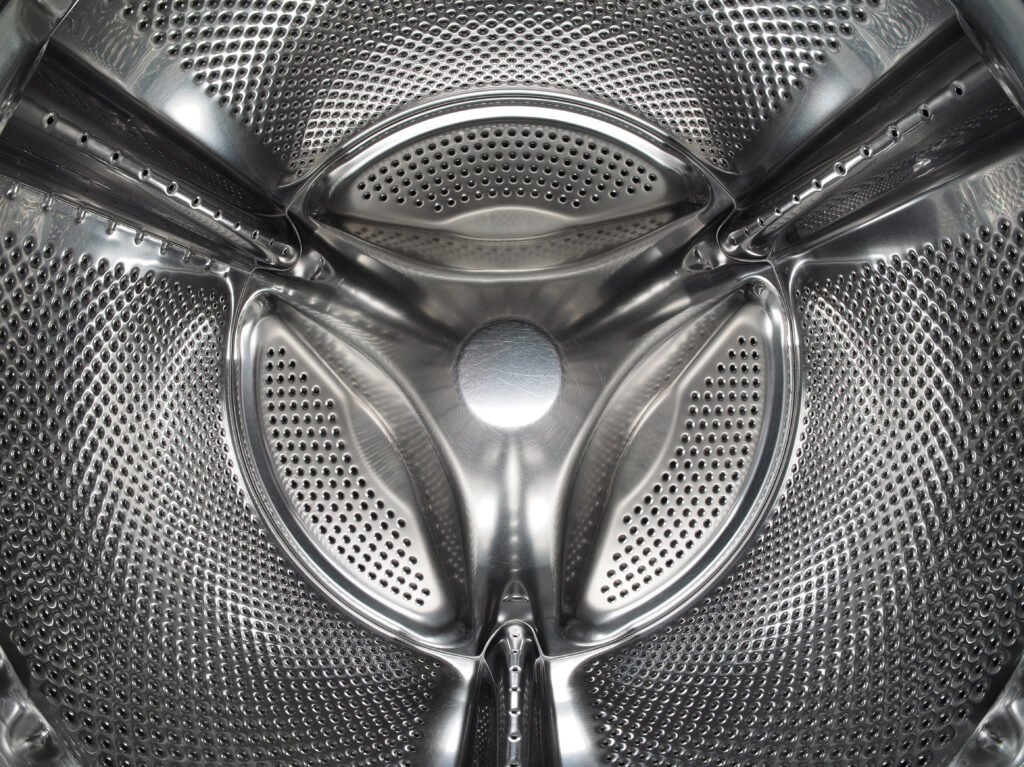
A slow drip of water inside your washing machine drum — or a puddle on the floor — even though the machine has been off for hours feels wrong. Yet it is one of the most common washing machine complaints, and the cause is usually one part that can no longer hold back your home’s water pressure.
Safety First: Stop the Water Before You Inspect Anything
Before you touch the back of the machine, unplug it from the wall socket to remove any risk of electric shock from a wet floor. Then turn off both the hot and cold supply taps behind the machine, turning them fully clockwise. This removes the pressure forcing the drip.
Step 1: Work Out Where the Water Is Coming From
The location of the water points straight at the cause. Water rising inside the drum means the supply side is at fault: pressurised water is getting past a valve that should be shut. Water on the floor behind the machine means a fill hose or tap connection is weeping. Dirty water in the drum is a drain problem: wastewater flowing back in, or a siphoning drain hose.
Step 2: The Overnight Tap Test
Scoop out any standing water, dry the drum, and turn both supply taps off. Leave the machine alone overnight and check the drum in the morning. If it stays dry, the leak is on the supply side — the hoses or the water inlet valve. If water has still appeared with the taps closed, the problem is in the drain system.
Cause 1: A Faulty Water Inlet Valve (Most Common)
The water inlet valve is the gatekeeper: a solenoid valve where the supply hoses connect at the back. When the machine calls for water, a coil lifts a plunger and opens a rubber diaphragm; when it is off, a spring pushes the diaphragm shut against household water pressure, typically 40 to 80 psi.
Over time, that seal fails. Limescale builds up on the valve seat, and even a tiny grain of grit lets a slow trickle through. The rubber can also stiffen or crack. A failed valve cannot be repaired, so replace the whole valve.
Cause 2: Worn Fill Hoses or Loose Connections
Fill hoses sit under full mains pressure around the clock. A worn rubber washer, a hairline crack, or a loose connection can drip unnoticed for weeks. Check both ends of each hose for dampness or white mineral crust, and tighten a loose coupling with pliers — do not over-tighten. If a hose is bulging, cracked, or more than five years old, replace it with a braided stainless-steel hose.
Cause 3: Drain Hose Siphoning or Backflow
Dirty water in the drum, or a machine that drains and refills by itself, points to the drain hose. Siphoning happens when the hose sits too low or is pushed too far into the standpipe, creating a vacuum that pulls water out of the tub or lets wastewater flow back in. The fix is in the setup: the hose needs a high loop near the top of the machine, with its end only a few inches inside the standpipe and an air gap around it.
Cause 4: Detergent Drawer Residue
A clogged detergent drawer can dribble water into the drum for hours after a cycle. Pull it out, soak it in hot water, and scrub the jets with an old toothbrush.
Cause 5: A Worn Door Seal (Front-Loaders)
On a front-loader, the rubber door seal can trap water in its folds, and a perished seal lets it weep out slowly. Wipe it dry after each wash and leave the door ajar between washes. A torn seal needs replacing.
Cause 6: High Water Pressure
If household water pressure is above 80 psi, it strains every seal, and a valve that would otherwise hold can weep. A plumber can fit a pressure-reducing valve on the main supply.
Cause 7: A Faulty Pressure Switch or Control Board
This is the rarest cause. A faulty pressure switch can briefly energise the inlet valve even when the machine is off. But if the drip continues after the machine is unplugged, it cannot be the switch. A pressure switch fault needs a technician to diagnose.
Fixes You Can Try Yourself
- Turn the supply taps off whenever the machine is not in use until the fault is fixed.
- Tighten loose hose connections and replace old or damaged fill hoses.
- Clean the detergent drawer and dispenser housing.
- Re-route the drain hose with a proper high loop and air gap.
- Clean the inlet valve filters: rinse the mesh screens where the hoses meet the valve.
If the inlet valve is confirmed faulty, do not keep running the machine with the taps on — it can fill the drum overnight and overflow. See also our guides to a washer leaking into the tub (https://magazineburst.com/washer-leaking-into-tub/) and a washing machine sensor not working (https://magazineburst.com/washing-machine-sensor-not-working/).
When to Call a Technician
Call a professional if the inlet valve needs replacing, if you must open the rear panel, or if there is any sign of electrical damage. A valve replacement is quick and inexpensive — far cheaper than the water damage an ignored drip can cause.
How to Prevent It Happening Again
Turn the supply taps off when the machine is not in use, replace fill hoses every three to five years, run a hot wash with white vinegar monthly, and keep the drawer and door seal clean and dry.
Frequently Asked Questions
Why is my washing machine filling with water when it is turned off?
The water inlet valve is not sealing fully. Turn the taps off overnight: if the drum stays dry, the valve is the problem.
Is it dangerous if my washing machine drips when off?
Not usually an emergency, but do not ignore it. The drum can fill, overflow, and cause water damage.
Can a washing machine leak when it is not running?
Yes. The hoses and inlet valve are under mains pressure all the time, even when the machine is off.
How much does it cost to fix a washing machine that drips when off?
A fill hose costs very little and is a DIY job. An inlet valve is a modest part plus labour, fitted in under an hour.
Should I turn off the water supply to my washing machine when not in use?
Yes, many manufacturers recommend it. It removes constant pressure from the hoses and valve, and stops a failure flooding your home.
Pingback: Water Pressure Drops When Washing Machine Is Running? 7 Causes and Fixes